
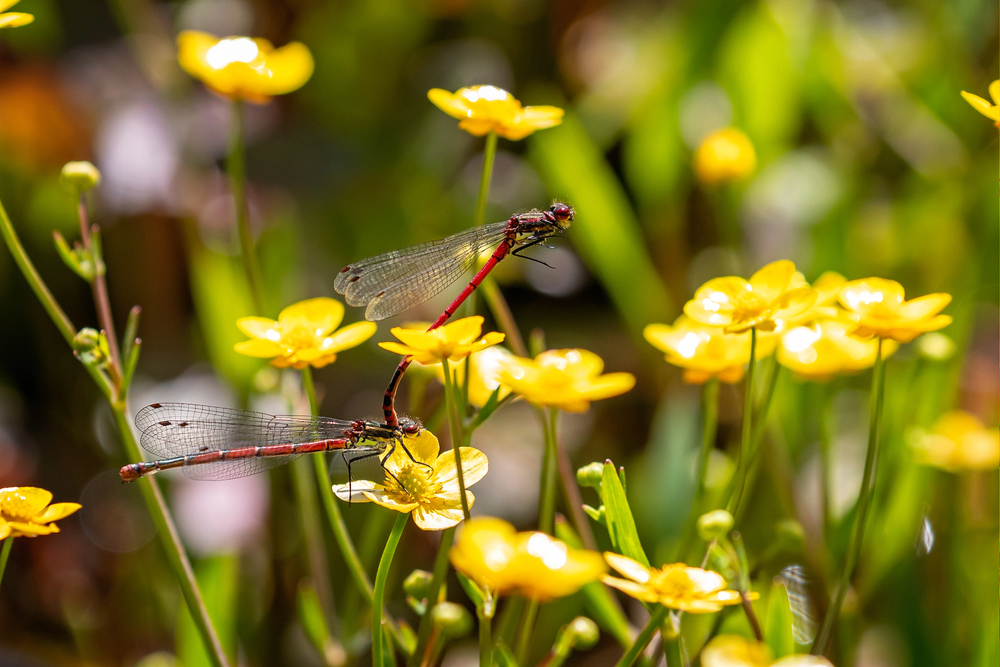
A natural swimming pond is more than just a beautiful water feature; it can also become a thriving habitat for local wildlife. By designing your pond with wildlife in mind, you can create a balanced ecosystem that attracts a variety of species, from birds and butterflies to frogs and dragonflies.
In this month’s blog post, we will share tips and strategies for creating a wildlife-friendly natural swimming pond that enhances biodiversity and adds life to your garden.
1. Plan for a Variety of Habitats
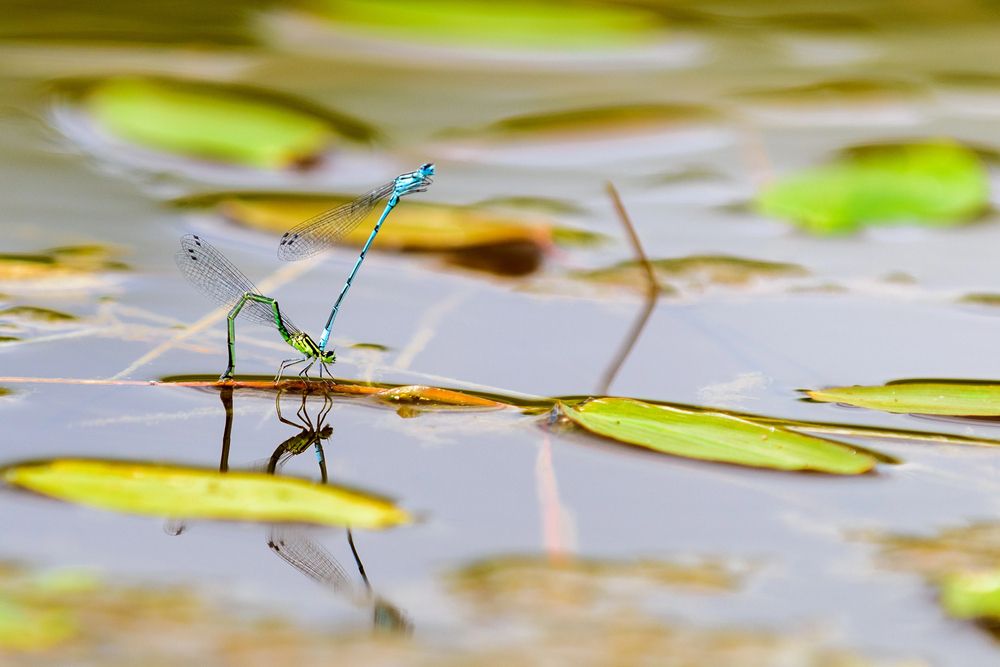
To attract and support different types of wildlife, it’s essential to incorporate a variety of habitats within and around your natural swimming pond. These habitats will provide shelter, food, and breeding grounds for various species:
Aquatic Plants: Aquatic plants are the foundation of any wildlife-friendly pond. They provide cover for fish and amphibians, nectar for insects, and nesting materials for birds. Include a mix of submerged, floating, and emergent plants to create diverse microhabitats. Learn more about aquatic plants from the Royal Horticultural Society (RHS).
Shallow Margins: Design the pond with gently sloping edges and shallow margins. These areas are perfect for amphibians like frogs and newts to breed and for birds to drink and bathe. Marginal plants, such as reeds and rushes, will also thrive in these zones.
Rocky Areas and Logs: Incorporate rocks, pebbles, and logs around the pond’s edge and in the surrounding landscape. These features provide shelter for small mammals, insects, and amphibians, as well as basking spots for reptiles. Logs, in particular, create a natural look and offer hiding places for wildlife.
Meadow and Grassland: Surround your pond with native grasses and wildflowers. This will attract pollinators like bees and butterflies while also providing seeds and insects for birds. A wildflower meadow or grassland area adjacent to the pond can also support a wider range of species. Find out more about wildflowers from Plantlife UK.
2. Avoid Chemicals and Pesticides
One of the main benefits of a natural swimming pond is that it doesn’t require chemicals to maintain clean water. This is also crucial for supporting wildlife, as many species are sensitive to chemicals and pesticides:
Natural Filtration: Rely on the regeneration zone, with its carefully selected aquatic plants, to naturally filter and clean the water. This will keep the pond healthy for both swimmers and wildlife.
Biological Pest Control: Encourage natural predators, such as birds, frogs, and beneficial insects, to control pests. Avoid using chemical pesticides, which can harm non-target species and disrupt the pond’s ecosystem. The UK Wildlife Trusts provides more information on organic gardening and pest control.
Natural Algae Control: Manage algae growth through natural means, such as shading the pond with plants, using barley straw, or introducing algae-eating species like snails. Keeping the water balanced will reduce the need for chemical treatments.
3. Provide Safe Access for Wildlife
Ensuring that wildlife can safely access your pond is key to making it a welcoming habitat. Here are some ways to make your pond accessible to various species:
Gentle Slopes: Design the pond with gradual slopes rather than steep sides. This will allow animals, especially amphibians and small mammals, to easily enter and exit the water. Steep edges can be dangerous and may prevent some species from using the pond.
Stepping Stones: Place flat stones or stepping platforms at the pond’s edge to create a safe landing spot for birds and insects. These stones also provide basking areas for reptiles and amphibians.
Floating Islands: Consider adding floating islands or rafts made from natural materials like wood or coconut fiber. These islands offer safe havens for birds to nest and rest, away from potential predators.
Escape Routes: If your pond has any steep areas, make sure there are escape routes for wildlife that might accidentally fall in. A simple wooden plank or a series of stones leading out of the water can help small animals climb to safety.
4. Introduce Wildlife-Friendly Plants
The plants you choose for your natural swimming pond and its surrounding area will play a major role in attracting and supporting wildlife. Here are some plant recommendations that are particularly beneficial for creating a wildlife-friendly pond:
- Water Forget-Me-Not (Myosotis scorpioides): This plant produces small, blue flowers that attract pollinators. It thrives in the shallow margins of the pond, providing nectar for insects and shelter for small aquatic creatures.
- Marsh Marigold (Caltha palustris): Marsh marigolds offer bright yellow flowers in early spring, providing an early food source for pollinators. Their dense growth also creates hiding spots for amphibians and invertebrates.
- Cattails (Typha): Cattails are tall, reed-like plants that grow in the shallow edges of the pond. They provide shelter for birds and insects, and their seeds are a food source for various wildlife.
- Water Mint (Mentha aquatica): This aromatic plant attracts bees, butterflies, and other pollinators with its purple flowers. It’s also a great plant for oxygenating the water and improving pond health.
- Iris (Iris pseudacorus): Irises produce striking yellow flowers and thrive in wet conditions. They offer habitat for insects and birds while adding colour to the pond’s edges.
5. Monitor and Maintain Your Wildlife-Friendly Pond
Once your pond is established, ongoing monitoring and maintenance are essential to ensure it remains a healthy and welcoming habitat for wildlife:
Regular Water Quality Checks: Monitor the water quality to ensure it remains suitable for wildlife. Keep an eye on pH levels, nutrient levels, and clarity. Healthy water is the foundation of a thriving ecosystem.
Seasonal Plant Management: Manage plant growth by trimming and thinning as needed. Overgrown plants can dominate the pond, reducing habitat diversity. Ensure that each zone of the pond has the appropriate balance of vegetation.
Watch for Invasive Species: Be vigilant about invasive plant species that could outcompete native plants and disrupt the pond’s ecosystem. Remove any invasive species as soon as they are identified.
Wildlife Observation: Spend time observing the wildlife that visits your pond. This will help you understand the needs of different species and make any necessary adjustments to improve their habitat.
Conclusion
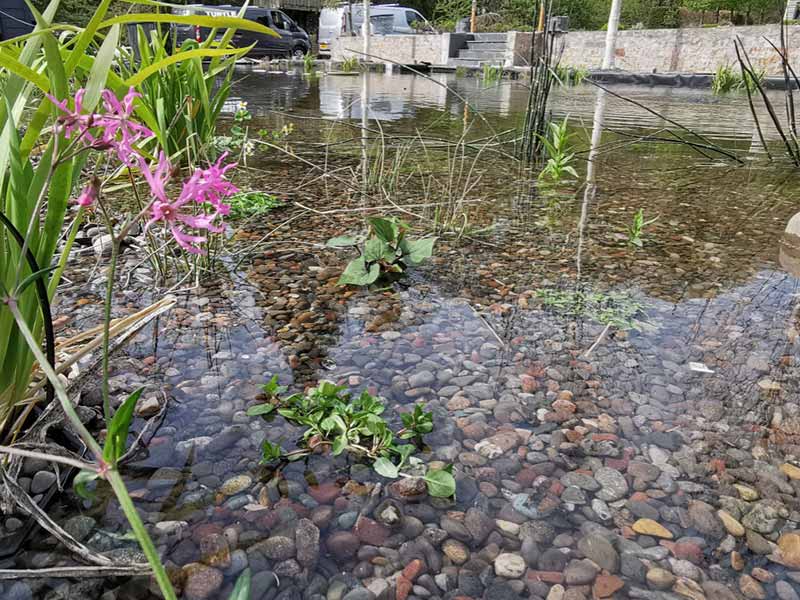
Creating a wildlife-friendly natural swimming pond is a rewarding endeavor that brings your garden to life. By designing your pond with diverse habitats, choosing the right plants, and providing safe access, you’ll attract a wide range of wildlife and contribute to local biodiversity. The result is a vibrant, living ecosystem that you can enjoy alongside the natural beauty of your pond.
At Turtle Swimming Ponds, we are passionate about helping our clients create natural swimming ponds that are not only beautiful but also support and enhance local wildlife. Whether you’re starting from scratch or looking to improve an existing pond, our expert team is here to guide you every step of the way.
Contact us today to learn more about how we can help you create a wildlife-friendly natural swimming pond in your garden.
