Aquatic plants are a fundamental component of a natural swimming pond, playing a vital role in maintaining water clarity, supporting biodiversity, and creating an attractive, tranquil environment. Selecting the right plants ensures your pond remains balanced and sustainable without relying on artificial chemicals. In this guide, we explain how to choose the best aquatic plants for each zone of your pond, helping you achieve both beauty and functionality.

Understanding the Zones of a Natural Swimming Pond
A natural swimming pond is typically divided into different zones, each serving a specific purpose in the pond’s ecosystem. Understanding these zones is crucial when selecting the appropriate plants.
The Deep Water Zone is the deepest part of the pond, usually found in the swimming area. Plants here must be fully submerged and capable of thriving in low-light conditions. The Shallow Water Zone surrounds the swimming area and is home to a variety of aquatic plants that assist in oxygenation and provide shelter for wildlife. The Marginal Zone sits at the water’s edge, playing a key role in nutrient absorption and bank stabilisation. Finally, the Regeneration Zone is densely planted with filtering plants that help purify the water naturally.
Selecting Plants for the Deep Water Zone
Plants in the deep water zone are essential for oxygenation and maintaining clear water. Some of the best choices include:
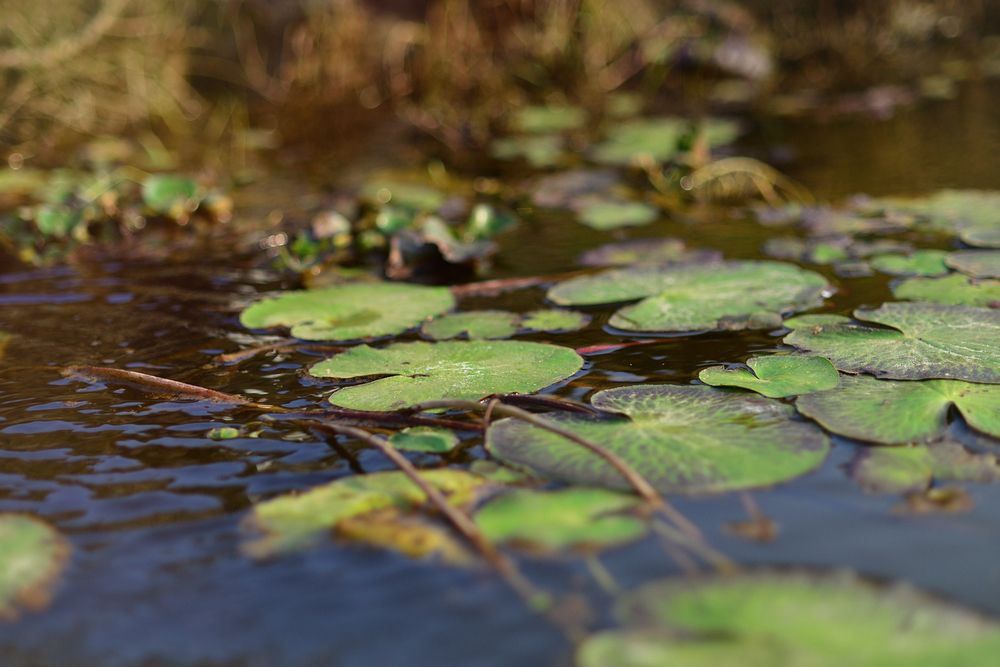
- Water Lilies (Nymphaea): These floating plants provide shade, reducing algae growth while adding a touch of elegance with their stunning blooms.
- Hornwort (Ceratophyllum demersum): An excellent oxygenating plant, hornwort absorbs excess nutrients and helps prevent water stagnation.
- Water Hawthorn (Aponogeton distachyos): With its delicate white flowers, water hawthorn adds seasonal interest and improves oxygen levels.
These plants contribute to the overall health of the pond by balancing oxygen levels and providing habitat for aquatic life.
Ideal Plants for the Shallow Water Zone
The shallow water zone plays an integral role in oxygenation and nutrient absorption. Some top choices include:
- Pickerel Weed (Pontederia cordata): This vibrant purple-flowering plant stabilises the pond edge and attracts pollinators such as bees and butterflies.
- Water Iris (Iris pseudacorus): Known for its tall, striking flowers, water iris is effective in filtering nutrients and enhancing the visual appeal of the pond.
- Soft Rush (Juncus effusus): With its dense, green stems, soft rush provides a natural habitat for pond wildlife and contributes to water clarity.
For more information on aquatic plants, visit the Royal Horticultural Society.
Plants for the Marginal Zone
The marginal zone, where water meets land, requires hardy plants that help prevent soil erosion and enhance aesthetics. Recommended plants include:
- Marsh Marigold (Caltha palustris): A cheerful addition with its bright yellow blooms in spring, marsh marigold helps stabilise pond banks.
- Creeping Jenny (Lysimachia nummularia): This fast-spreading ground cover adds a lush appearance while preventing soil erosion.
- Yellow Flag Iris (Iris pseudacorus): In addition to its beauty, this plant is highly effective at absorbing excess nutrients and preventing algal blooms.
These marginal plants are not only functional but also provide seasonal interest, enhancing the overall visual appeal of the pond.
Essential Plants for the Regeneration Zone
The regeneration zone is critical for maintaining the purity of your pond water. It acts as a natural filtration system and should include plants such as:
- Water Mint (Mentha aquatica): This aromatic plant spreads quickly, providing excellent water filtration and habitat for pollinators.
- Lesser Spearwort (Ranunculus flammula): With its bright yellow flowers, lesser spearwort is ideal for absorbing nutrients and supporting biodiversity.
- Water Forget-Me-Not (Myosotis scorpioides): A visually appealing plant with delicate blue flowers that aids in water filtration.
By strategically planting a variety of species in the regeneration zone, you can significantly improve the water quality and overall health of your pond.
Tips for Planting and Maintaining Aquatic Plants
Ensuring the success of your aquatic plants involves careful planning and regular maintenance. Here are some key tips to follow:
Begin by planting in stages, starting with the marginal and regeneration zones, and gradually introducing plants into deeper areas. This staged approach allows plants to establish themselves and promotes ecological balance. Using aquatic planting baskets can help contain plant roots, making them easier to manage and preventing overgrowth. Regular maintenance, such as trimming overgrown plants, removing debris, and monitoring for pests, is essential to maintaining a healthy pond ecosystem. Striking the right balance between different plant types is crucial to avoid overcrowding and poor circulation.
Frequently Asked Questions
1. How many aquatic plants should I have in my pond?
Ideally, 50-70% of the pond should contain aquatic plants to ensure a balanced ecosystem.
2. Can fish and aquatic plants coexist?
Yes, many fish species can live harmoniously with aquatic plants and even help control algae growth.
3. How often should I maintain my aquatic plants?
Regular pruning and debris removal should be carried out seasonally to keep the pond healthy.
4. Are aquatic plants necessary for water clarity?
Yes, aquatic plants play a vital role in absorbing excess nutrients and maintaining clear water.
5. What is the best time of year to plant aquatic plants?
Spring and early summer are ideal planting times, allowing the plants to establish before winter.
Choosing the right aquatic plants for your natural swimming pond is essential for creating a sustainable, healthy ecosystem that enhances both function and aesthetics. By selecting the appropriate plants for each zone, your pond will remain balanced and self-sustaining.
At Turtle Swimming Ponds, we specialise in designing and maintaining natural swimming ponds that reflect the beauty of nature while providing practical, eco-friendly solutions. Whether you need help choosing aquatic plants or maintaining your pond, contact us today for expert advice.
