

Maintaining a natural swimming pond is a rewarding task that keeps your water feature looking beautiful and functioning efficiently throughout the year. Unlike traditional pools, natural swimming ponds rely on a balanced ecosystem to keep the water clean and clear, which means maintenance tasks vary with the seasons.
In this blog post, Turtle Swimming Ponds will guide you through a seasonal maintenance plan to help you keep your natural swimming pond in optimal condition all year round.
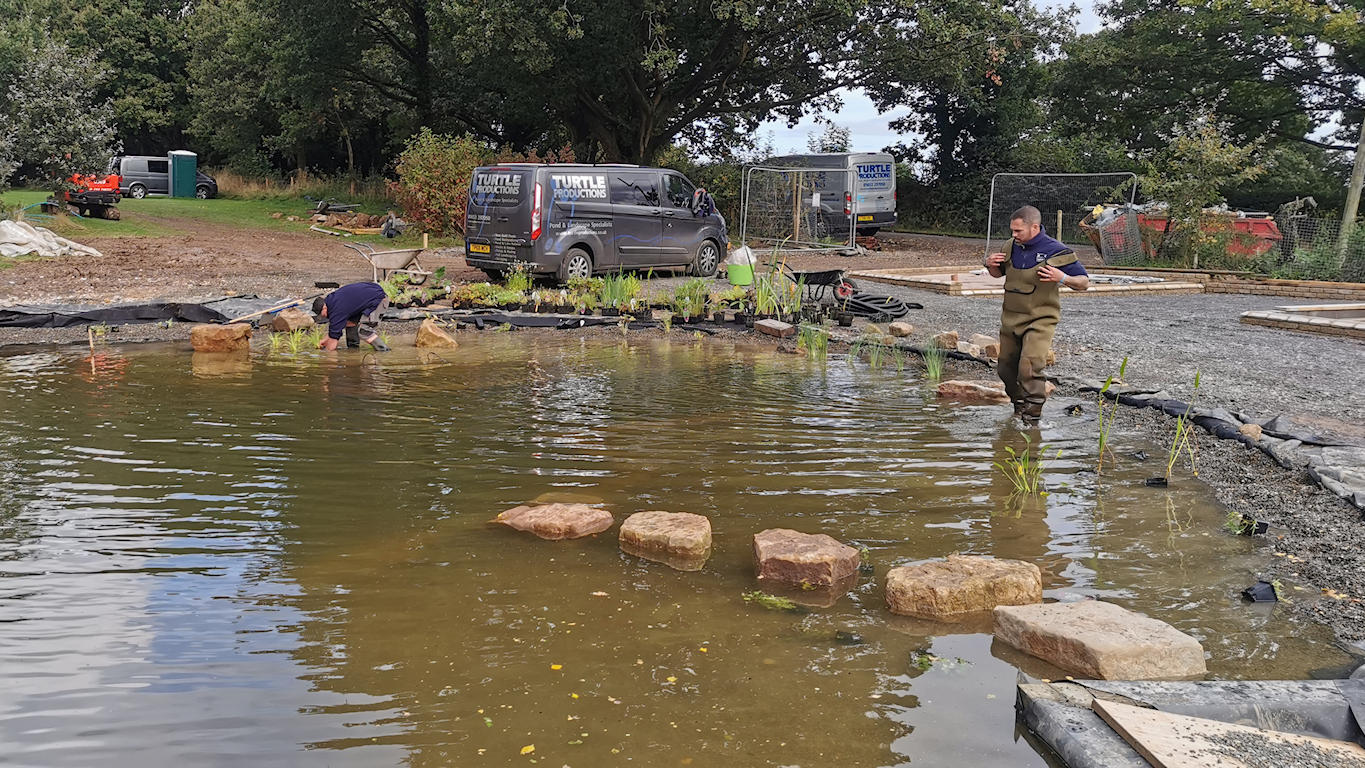
Spring: Awakening Your Pond
Spring is a critical time for natural swimming pond maintenance as the ecosystem begins to wake up after the winter months. Here are the essential tasks to ensure your pond starts the season in top shape:
- Remove Debris: Over the winter, leaves, twigs, and other debris may have accumulated in your pond. Use a pond net or skimmer to remove this debris, especially from the swimming zone, to prevent it from decomposing and affecting water quality.
- Check and Clean Filters: If your pond uses any mechanical filtration systems, such as skimmers or pumps, now is the time to check and clean them. Ensure they are functioning properly and remove any debris that might have accumulated.
- Inspect Plants: As the weather warms, your aquatic plants will begin to grow again. Trim any dead or decaying plant material to encourage new growth. You can also divide and replant any overgrown plants to maintain a healthy balance in the regeneration zone.
- Test Water Quality: Spring is the perfect time to test your pond’s water quality. Check the pH, nutrient levels, and clarity of the water. If necessary, make adjustments to ensure the water is balanced. For example, adding beneficial bacteria can help kickstart the biological filtration process.
- Monitor Algae Growth: As temperatures rise, algae growth may increase. While some algae are normal and beneficial for the pond’s ecosystem, excessive growth can be problematic. Keep an eye on algae levels and, if needed, introduce more plants or use natural algae control methods, such as barley straw.
- Check Circulation Systems: Ensure that all pumps and water circulation systems are working efficiently. Proper circulation is essential for maintaining water quality and preventing stagnation.
Summer: Enjoying and Maintaining Your Swimming Pond
Summer is the season when your natural swimming pond is most active and enjoyed. However, it’s also the time when regular maintenance is crucial to keep the pond in peak condition:
- Skim the Surface: Regularly skim the surface of the pond to remove floating debris, such as leaves, insects, and pollen. This simple task will help keep the water clear and inviting.
- Monitor Water Levels: Evaporation rates increase during the summer, so keep an eye on the water level in your pond. If necessary, top up the pond with fresh water, ideally using rainwater or dechlorinated tap water to avoid introducing chemicals.
- Control Algae: Algae growth can become more aggressive in the summer due to increased sunlight and warmer water temperatures. Continue to monitor algae levels and manage them with natural methods, such as adding more shade plants or increasing circulation.
- Prune Aquatic Plants: As plants grow rapidly in the summer, regular pruning is essential to prevent them from taking over the pond. Trim back any overgrown plants in the regeneration zone to maintain a healthy balance and ensure proper water flow.
- Inspect and Clean Filters and Pumps: Check filters, skimmers, and pumps regularly to ensure they are free from debris and operating efficiently. Clean them as needed to maintain proper water circulation.
- Enjoy Your Pond: Don’t forget to enjoy your natural swimming pond during the summer! Whether you’re swimming, relaxing by the water, or watching wildlife, summer is the perfect time to fully appreciate the beauty and benefits of your pond.
Autumn: Preparing for the Colder Months
As the temperatures begin to drop, it’s time to prepare your natural swimming pond for the winter. Proper autumn maintenance ensures that your pond remains healthy and requires less attention during the colder months:
- Remove Falling Leaves: Autumn brings falling leaves, which can quickly accumulate in your pond. Use a net to remove leaves from the water regularly. Consider installing a leaf net over the pond to catch leaves before they enter the water.
- Cut Back Plants: As aquatic plants start to die back, trim them to prevent dead material from decomposing in the water. This will help maintain water quality and reduce the buildup of organic matter over the winter.
- Harvest Excess Plants: If your pond has experienced significant plant growth over the summer, autumn is a good time to harvest and thin out any excess vegetation. This will prevent the regeneration zone from becoming overcrowded and ensure that there is enough space for new growth in the spring.
- Clean Filters and Pumps: Before winter sets in, thoroughly clean all filters and pumps. If you plan to turn off any circulation systems for the winter, make sure they are clean and free of debris before doing so.
- Check Water Quality: Test the water one last time before winter to ensure it’s balanced. This will help the pond’s ecosystem enter the dormant season in good health.
- Consider Winterising Your Pond: Depending on your climate, you may need to take additional steps to winterise your pond, such as lowering the water level or adding a pond heater to prevent ice from forming. At Turtle Swimming Ponds, we can provide specific advice based on your location and pond design.
Winter: Monitoring and Minimal Maintenance
Winter is a quiet time for your natural swimming pond, with most maintenance tasks focused on monitoring rather than active work. However, there are still a few things to keep in mind:
- Monitor Ice Formation: If you live in an area where the pond may freeze over, monitor ice formation closely. It’s important to prevent the entire surface from freezing solid, as this can trap harmful gases in the water and affect the health of the pond’s ecosystem. Using a pond heater or de-icer can help maintain an opening in the ice.
- Check Water Levels: Although evaporation slows in the winter, it’s still important to monitor water levels, especially if your pond has been winterized. If the water level drops too low, top it up with dechlorinated water as needed.
- Inspect the Pond After Storms: Winter storms can cause debris to fall into your pond, so inspect it after any significant weather events. Remove any large debris that could affect water quality or damage plants.
- Minimal Plant Maintenance: Most aquatic plants will be dormant during the winter, so minimal maintenance is required. However, if any plants remain active, such as hardy evergreens, ensure they are not overcrowding the pond.
- Plan for Spring: Winter is a good time to start planning any changes or improvements you want to make to your pond in the spring. Whether you’re thinking about adding new plants, expanding the pond, or enhancing its features, planning ahead will help you hit the ground running when the weather warms up.
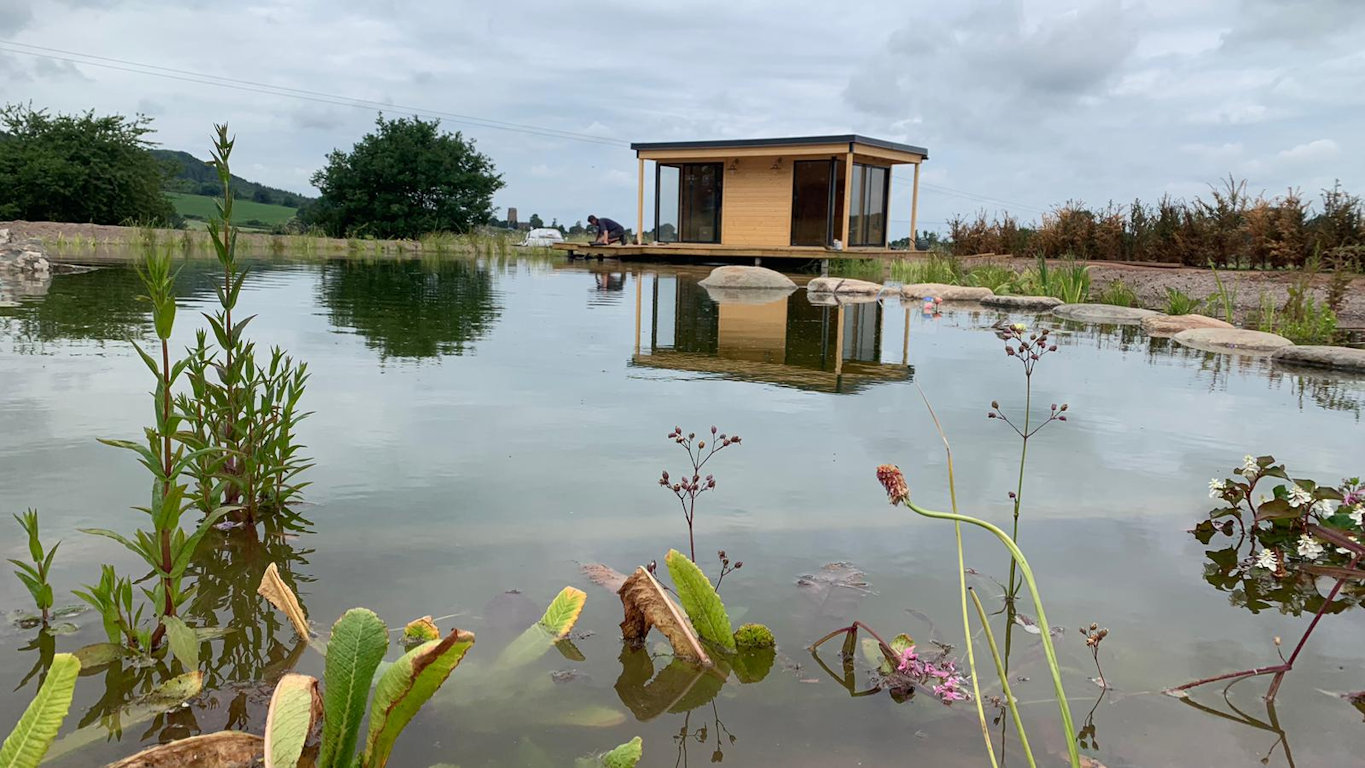
Conclusion
Maintaining a natural swimming pond is a year-round commitment, but with the right seasonal care, it can remain a beautiful and healthy feature in your garden. By following this seasonal guide, you’ll ensure that your pond’s ecosystem thrives, providing you with a clean and inviting swimming experience throughout the year.
At Turtle Swimming Ponds, we offer expert advice and services to help you maintain your natural swimming pond in all seasons. Whether you need help with spring startup, summer maintenance, or winter preparation, our team is here to support you.
Contact us today to learn more about how we can assist you in keeping your natural swimming pond in pristine condition.
For more information and a free no obligation quotation, contact us on 01453 701319.
