
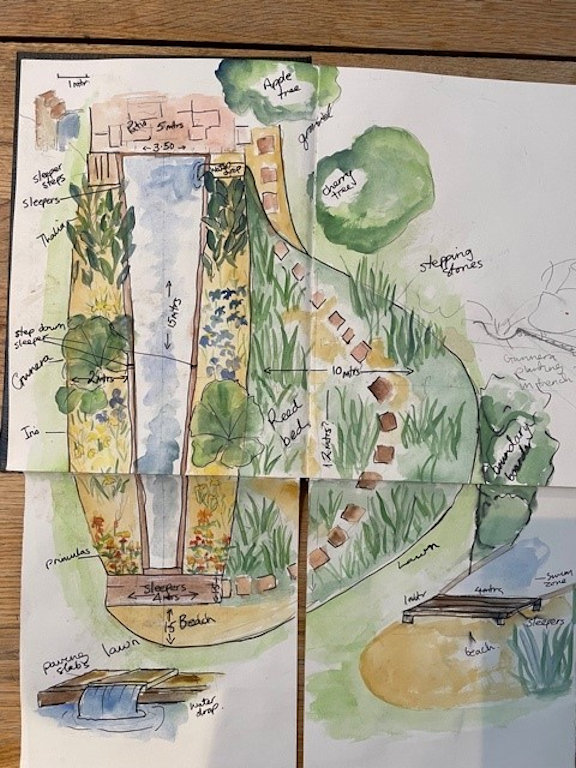
A natural swimming pond is a fantastic addition to any garden. It blends beautifully with your outdoor space and offers an eco-friendly alternative to traditional pools. By focusing on thoughtful design, planting zones, and effective filtration systems, you can create a sustainable oasis that suits your lifestyle and enhances biodiversity.
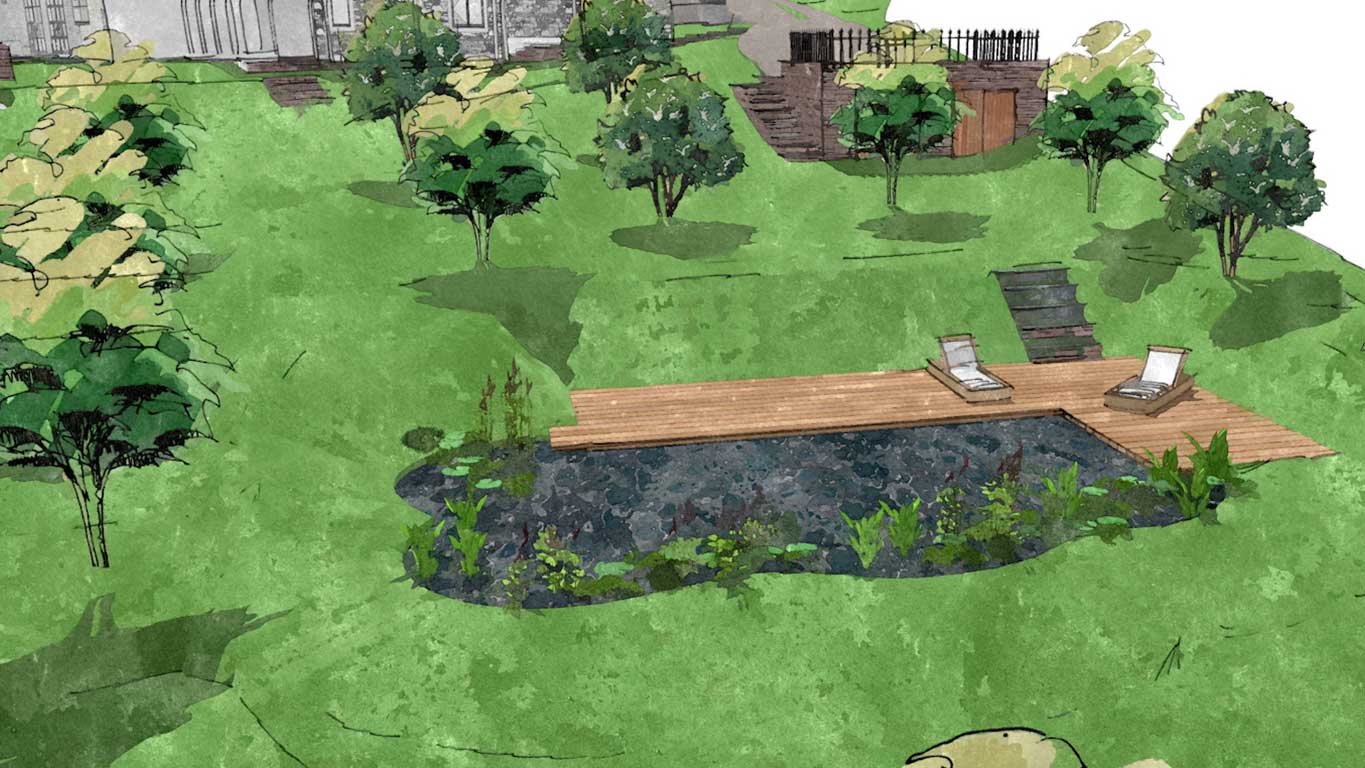
Designing a natural swimming pond for your garden involves balancing practicality and beauty. Whether you have a small urban plot or a sprawling rural property, the right design choices can transform your outdoor space. This guide covers key considerations like size, shape, filtration, and planting zones to help you get started.
1. Selecting the Right Design, Shape, and Size
The size, shape, and design of your swimming pond depend on the space you have and how you plan to use it.
- Small Gardens: Opt for compact, rectangular pools that offer clean lines and a modern aesthetic.
- Large Gardens: Choose organic shapes or curved designs that mimic natural ponds.
- Depth: Swimming zones should be at least 1.5 metres deep, while planting areas can be 30–50 cm deep.
- Sunlight: Place your swimming zone in a sunny area to maintain water warmth and encourage plant growth.
Additional design tips:
- Use rounded edges to soften the pond’s appearance for informal garden styles.
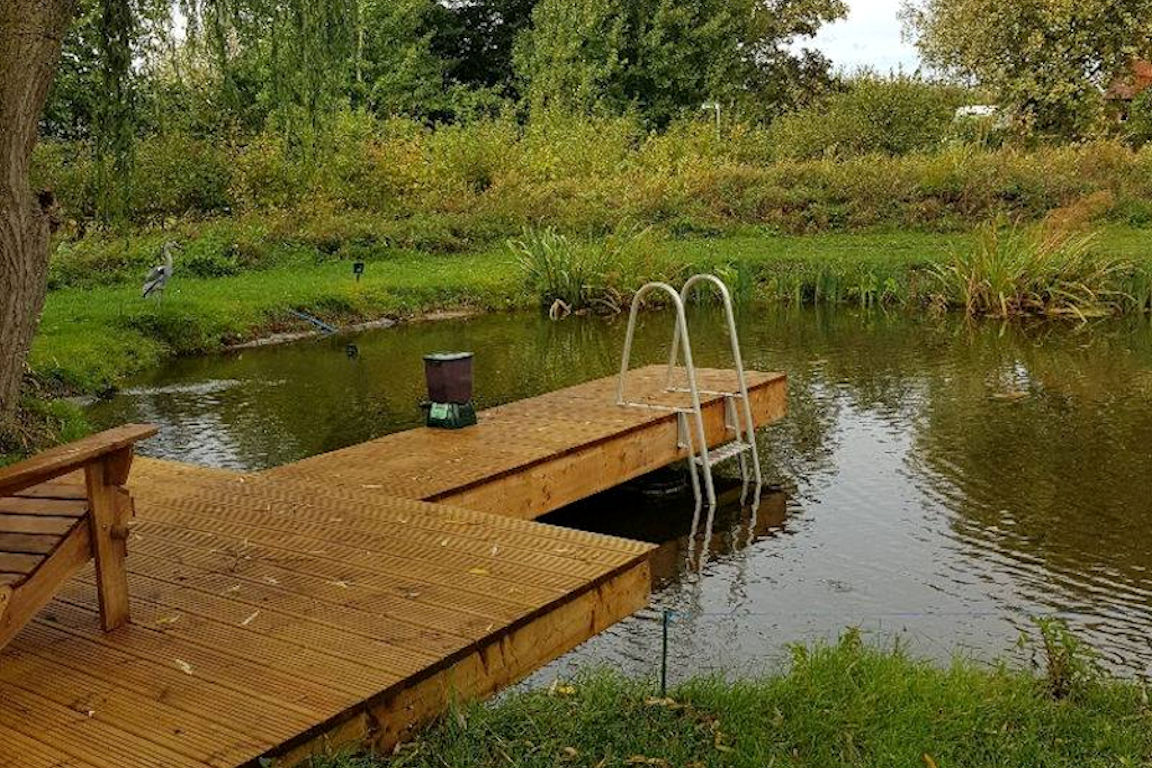
- Include pathways, seating areas, or decking to improve accessibility and enhance usability.
2. Incorporating Filtration Systems for Crystal Clear Water
Filtration is critical for maintaining a clean, chemical-free swimming pond.
Types of Filtration Systems:
- Biological Filtration: Uses aquatic plants and bacteria in the regeneration zone to break down impurities.
- Mechanical Filtration: Involves pumps and skimmers that remove debris such as leaves and dirt.
To optimise filtration:
- Position pumps and skimmers discreetly to maintain the pond’s natural look.
- Ensure water flows gently between the swimming and regeneration zones to encourage nutrient circulation.
- Use renewable energy, like solar-powered pumps, for a more sustainable solution.
3. Designing Effective Planting Zones
Plants play a crucial role in filtration, oxygenation, and creating a habitat for wildlife.
Recommended Plant Types:
- Shallow Margins (up to 15 cm deep): Marsh marigold, pickerelweed.
- Deeper Zones (15–50 cm deep): Water lilies, arrowhead.
- Floating Plants: Duckweed, frogbit.
Planting Tips:
- Group plants by their depth requirements for efficiency and aesthetic appeal.
- Keep the swimming zone free from plants for an open and uncluttered space.
- Mix evergreen and flowering species for year-round visual interest.
Dense planting along the borders enhances privacy and mimics natural habitats.

4. Creating a Haven for Wildlife
A well-designed natural swimming pond encourages biodiversity and supports local ecosystems.
To Attract Wildlife:
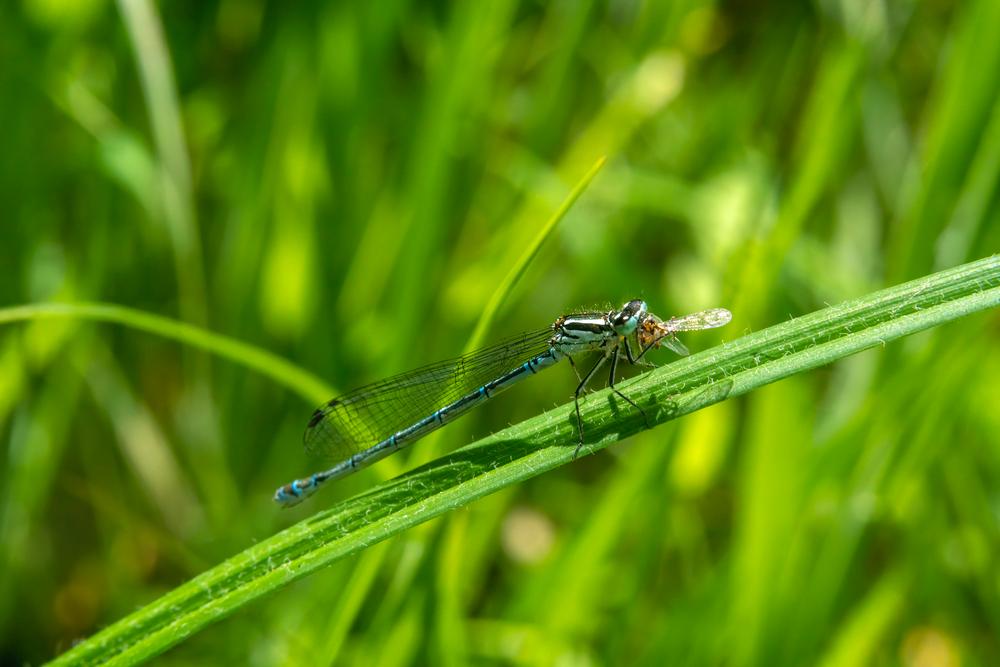
- Add logs, stones, or small beaches for resting and drinking.
- Include shallow edges and ramps for safe access by amphibians and small mammals.
- Avoid invasive species like water hyacinth, which can disrupt the pond’s balance.
Managing Wildlife Challenges:
- Install fine nets or screens to keep frogs and insects away from the swimming zone.
- Place bird-friendly features, like nesting boxes, at a distance from the main swimming area.
Balancing usability and biodiversity ensures your pond serves both purposes effectively.
For tips on creating wildlife-friendly ponds, visit Wildlife Trusts.
5. Addressing Practical Considerations
Building and maintaining a natural swimming pond requires careful planning.
Key Practical Points:
- Materials: Invest in high-quality liners, such as EPDM rubber, for durability and flexibility.
- Excavation: Professional help can ensure accurate digging and shaping of the pond.
- Maintenance: Regularly remove debris, trim plants, and clean filtration systems to prevent algae build-up.
Using harvested rainwater to fill the pond can reduce water costs and support sustainability.
6. Navigating Legal Requirements and Permissions
Before starting construction, check local planning regulations. Some councils may require permissions, especially for large ponds or those near protected habitats.
Steps to Take:
- Contact your local planning office to confirm any restrictions.
- Consider using rainwater harvesting to meet water requirements sustainably.
- Consult professionals to navigate any legal hurdles efficiently.
7. Enhancing the Overall Experience
A natural swimming pond isn’t just functional—it’s a space to relax and enjoy.
Enhancements to Consider:
- Decking: Provides practical areas for lounging or sunbathing.
- Pathways: Add charm and improve accessibility with stone paths or wooden bridges.
- Lighting: Solar-powered lights create a welcoming atmosphere in the evening.
Adding these elements can elevate the look and usability of your swimming pond, making it a focal point in your garden.
Conclusion
Designing a natural swimming pond requires thoughtful planning, from choosing the right size and shape to considering wildlife and filtration systems. By tailoring the design to your garden and maintaining a balance between swimming and natural elements, you can create a sustainable oasis that enhances your outdoor space.
If you’re considering creating your own natural swimming pond, we’re here to help. At Turtle Swimming Ponds, we offer expert advice tailored to your specific garden and design preferences. Explore our portfolio of completed projects for inspiration and see how we can bring your ideas to life.
Get in touch with us today to discuss your vision and learn more about how we can create a sustainable and beautiful pond for your outdoor space.
For more information and a free no obligation quotation, contact us on 01453 701319.
