Building a natural swimming pond is a long-term investment in both lifestyle and landscape. When designed and constructed correctly, it delivers clear water, low chemical input, and a unique swimming experience that works in harmony with nature. However, many of the problems people associate with natural swimming ponds are not caused by the concept itself, but by avoidable mistakes made during planning, design, or construction.
Across the UK, poorly designed natural swimming ponds often suffer from water quality issues, excessive maintenance, or disappointing performance. In this article, we explore the most common mistakes people make when building a natural swimming pond and explain how these issues can be avoided with the right approach and expertise.
Treating a Natural Swimming Pond Like a Traditional Pool
One of the most frequent mistakes is approaching a natural swimming pond as if it were a chemical swimming pool. Natural swimming ponds rely on biological filtration rather than chlorine or salt systems. This means water movement, planting, and regeneration zones must be carefully designed to support natural processes.
Problems arise when ponds are built with insufficient regeneration areas or inappropriate filtration systems. Without the correct balance between swimming and planted zones, the water cannot clean itself effectively. This often leads to algae growth, murky water, and frustration for the owner.
A natural swimming pond must be designed as a living system rather than a sealed container of water.
Choosing the Wrong Location in the Garden or Landscape
Location has a significant impact on how well a natural swimming pond performs. One common mistake is placing the pond in an area that receives excessive leaf fall, shade, or surface water runoff. Overhanging trees can introduce large amounts of organic matter, while poor drainage can carry nutrients into the pond, both of which encourage algae.
Equally, a location with too much direct sunlight can increase water temperatures and promote unwanted growth if not balanced correctly through design. Site assessment is essential to understand sun exposure, prevailing winds, ground conditions, and surrounding vegetation.
A well-chosen location reduces maintenance demands and improves long-term water clarity.
Underestimating the Importance of Filtration and Regeneration Zones
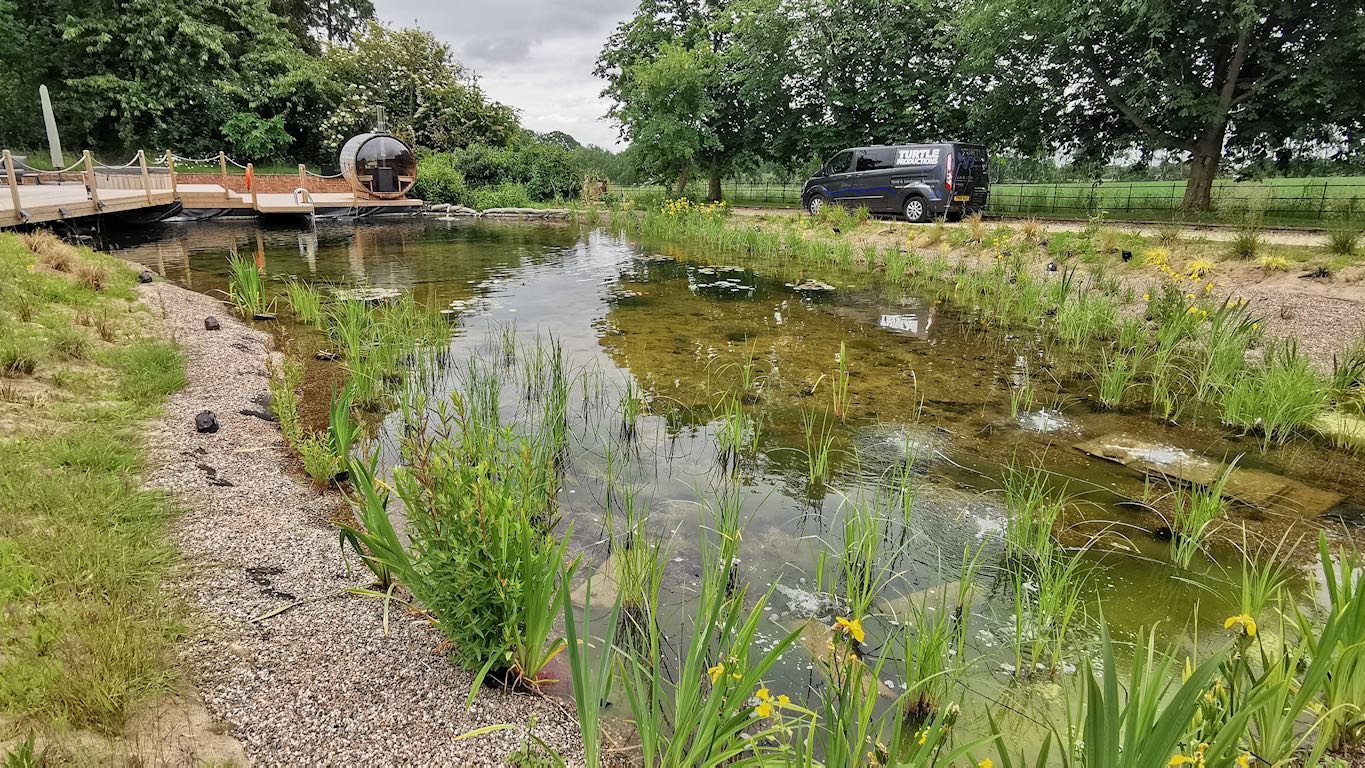
Another common error is underestimating the size and role of the regeneration zone. This planted area is responsible for filtering nutrients and supporting beneficial microorganisms that keep the water clear. When regeneration zones are undersized or poorly designed, the system struggles to cope with nutrient loads.
Some projects attempt to minimise planted areas for aesthetic reasons, prioritising swimming space instead. This often leads to water quality issues that are difficult to resolve later. Regeneration zones are not optional features; they are fundamental to how natural swimming ponds function.
A balanced ratio between swimming and regeneration areas is critical for long-term success.
Poor Plant Selection and Incorrect Planting Density
Plants play a vital role in maintaining water quality, but only when the right species are used in the right quantities. A common mistake is selecting plants based purely on appearance rather than function. Some species are ineffective at nutrient uptake, while others may not be suited to UK conditions.
Incorrect planting density is also an issue. Too few plants reduce filtration capacity, while overcrowding can restrict water flow and create maintenance challenges. Planting schemes should be designed to mature over time, allowing the pond ecosystem to stabilise naturally.
Professional plant selection ensures both visual appeal and biological performance.
Ignoring Ground Conditions and Structural Design
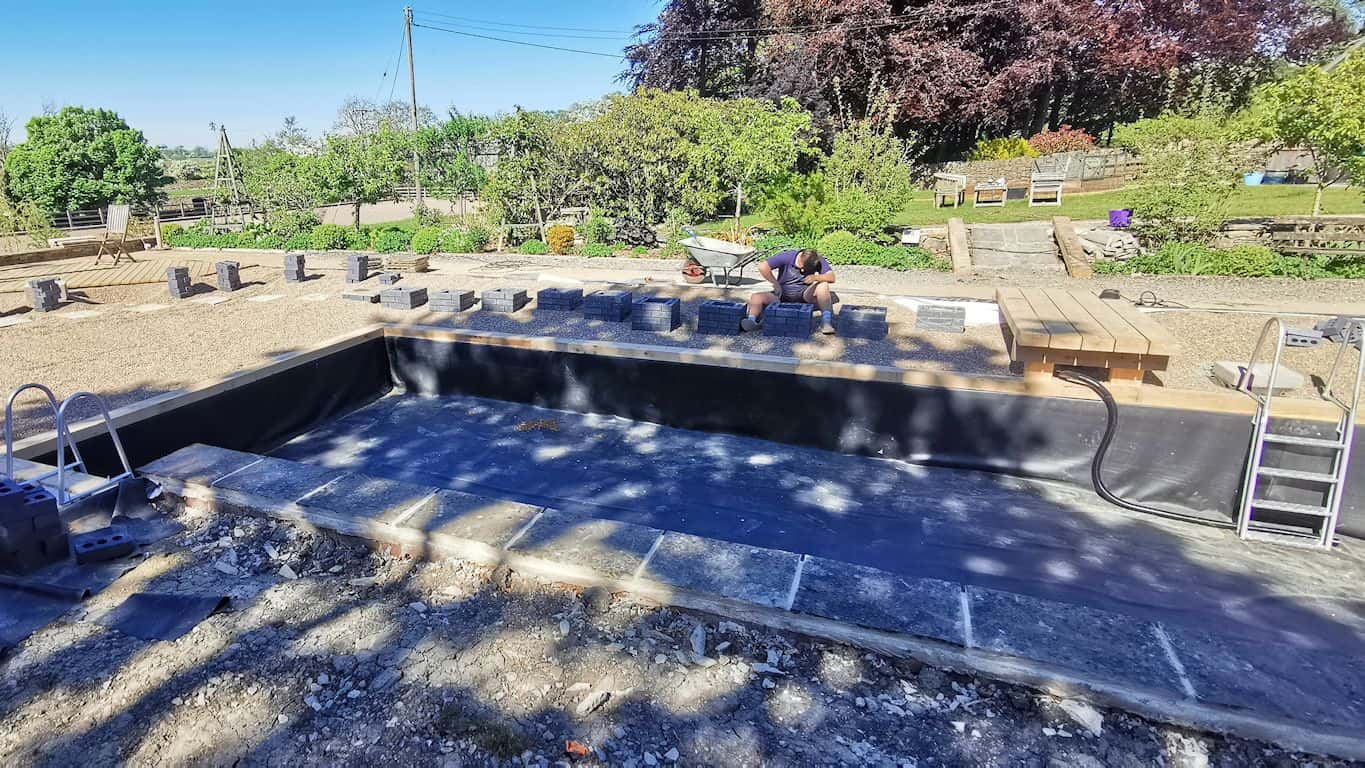
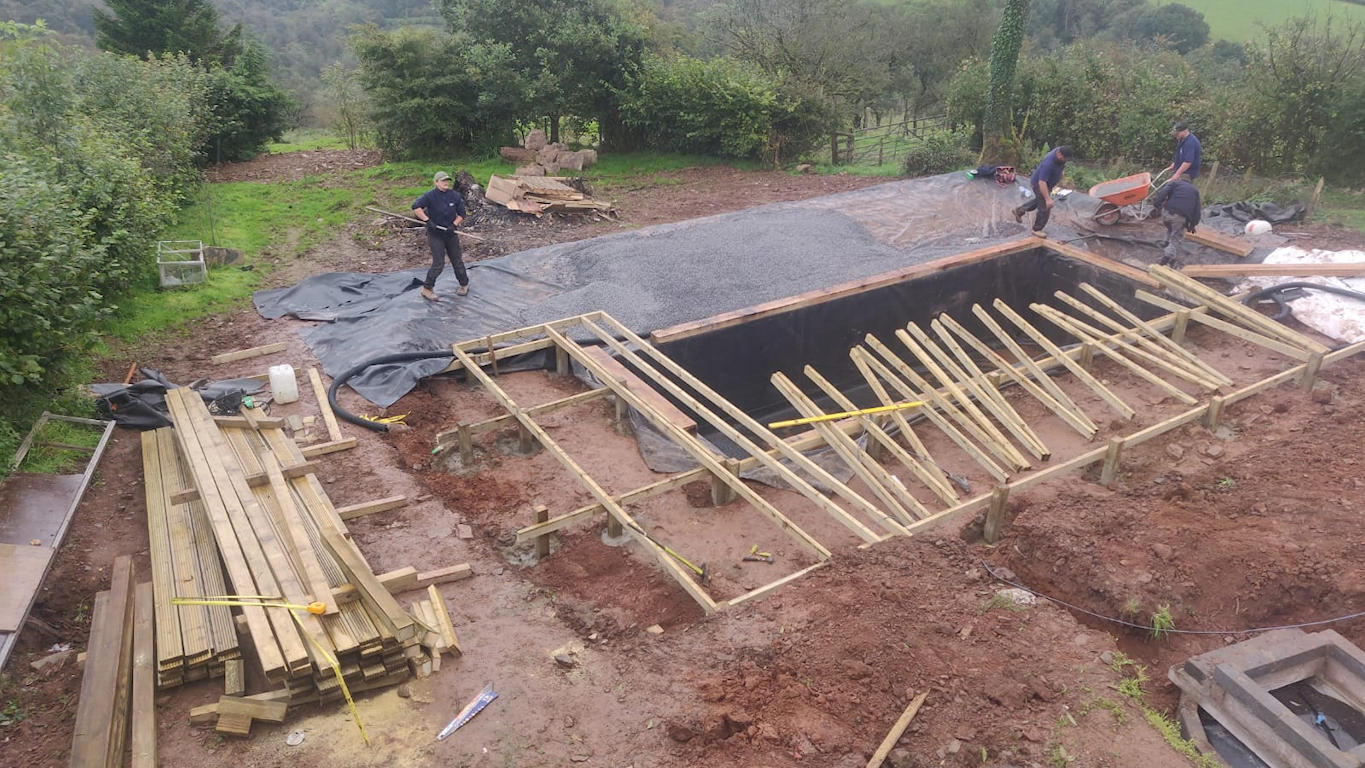
Ground conditions are often overlooked in early planning stages. Poor soil stability, high water tables, or unsuitable subgrades can compromise the structure of a natural swimming pond. This may lead to liner movement, uneven settlement, or long-term leakage issues.
Structural design is equally important. Edges, retaining walls, and access points must be engineered to withstand water pressure and ground movement. Cutting corners during construction can result in costly remedial works later.
Understanding ground conditions and engineering requirements from the outset helps avoid structural failures.
Assuming Natural Swimming Ponds Are Maintenance-Free
While natural swimming ponds typically require less intensive maintenance than chemical pools, they are not maintenance-free. A common misconception is that once built, the pond will look after itself entirely. In reality, seasonal tasks such as plant management, debris removal, and system checks are part of responsible ownership.
Problems arise when owners are not given realistic expectations or guidance. Without basic maintenance, even a well-designed pond can decline in performance. Clear instruction and ongoing support make a significant difference to long-term satisfaction.
Good design reduces maintenance, but it does not eliminate it completely.
Using Inappropriate Construction Materials
Material selection plays a major role in pond longevity. Using unsuitable liners, poor-quality aggregates, or incompatible construction materials can compromise water quality and structural integrity. Some materials may leach unwanted substances into the water or degrade prematurely.
Natural swimming ponds require materials that are durable, inert, and compatible with aquatic environments. Skimping on materials to reduce upfront costs often leads to higher long-term expenses.
Quality materials support both performance and lifespan.
Failing to Plan for Long-Term Use and Adaptation
Another mistake is focusing solely on initial appearance rather than how the pond will be used over time. Family needs, accessibility, safety features, and future planting growth should all be considered during design.
Ponds that are not adaptable may become less practical as circumstances change. Incorporating flexible design elements from the start allows the pond to evolve with its users and surroundings.
Long-term thinking is essential for a successful project.
How Professional Design Prevents These Issues
Most of the mistakes outlined above stem from insufficient planning or a lack of specialist knowledge. Professional design integrates site assessment, engineering, filtration strategy, planting design, and long-term maintenance planning into a single cohesive approach.
Turtle Swimming Ponds specialises in designing and constructing natural swimming ponds across the UK, with a focus on performance, longevity, and realistic expectations. By addressing potential issues at the design stage, projects are delivered with clarity and confidence.
More information about our approach and services is available here:
Frequently Asked Questions
Can mistakes in natural swimming pond design be fixed later?
Some issues can be corrected, but remedial works are often disruptive and expensive. Preventing problems through proper design is far more effective.
Are algae problems always a sign of poor design?
In many cases, yes. Algae issues are usually linked to imbalance in filtration, planting, or nutrient control rather than unavoidable natural processes.
Do all natural swimming ponds need large regeneration zones?
The size depends on the design approach, but all successful ponds require sufficient biological filtration to support water quality.
Is professional design really necessary?
While some self-build projects succeed, professional design significantly reduces risk and improves long-term outcomes, particularly for larger or more complex ponds.
Conclusion
Natural swimming ponds offer a rewarding and sustainable alternative to conventional pools, but only when designed and built correctly. Most problems associated with natural swimming ponds can be traced back to avoidable mistakes made early in the process.
By understanding these common pitfalls and taking a considered, professional approach, homeowners can enjoy clear water, low maintenance, and a pond that performs reliably year after year.
Call 01453 701319 or visit www.turtleswimmingponds.co.uk
