

Natural swimming pond, autumn pond maintenance, and winter preparation aren’t buzzwords—they’re the foundation of crystal-clear water when temperatures drop. As leaves fall and water cools, a targeted plan protects clarity, supports biodiversity, and reduces spring workloads.
This UK-focused guide from Turtle Swimming Ponds explains exactly how to prepare your pond now—using proven methods, smart timing, and materials knowledge that keep systems performing without chemicals.
Unlike generic lists, this guide follows a month-by-month timeline (October to January) and blends practical maintenance, ecosystem care, and equipment optimisation. You’ll also find relevant internal resources for deeper reading and authoritative UK sources for best environmental practice.
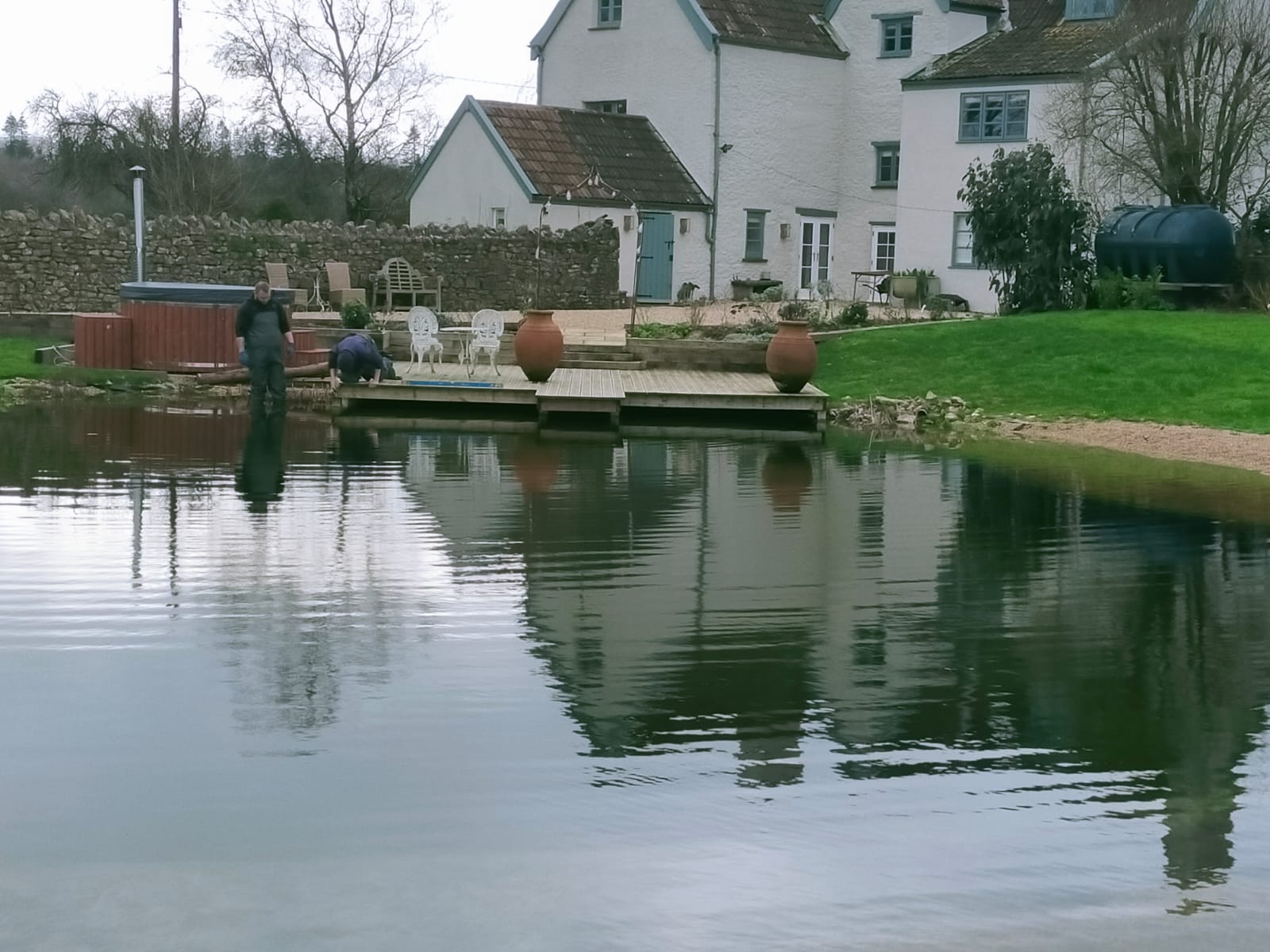
October: Stabilise the System Before Leaf Fall Peaks
October is your stabilisation month. Surface debris begins to increase, water temperature drops, and plants start to slow their growth. Focus on intake management, selective plant reduction, and flow consistency.
Start with the surface. Skimmers and nets should remove floating leaves before they saturate and sink (don’t forget to regularly check and empty skimmer baskets). This simple habit prevents nutrient spikes that can feed algae through autumn. Next, review the plant mass in your regeneration zone. Rather than a hard cutback, trim selectively to keep photosynthesis active while avoiding die-off that adds organic load.
Flow consistency matters as days shorten. Pumps set to a moderate, continuous rate maintain oxygen exchange and move fine particles toward the filter. If your pond was built using EPDM liners, you’ll benefit from flexibility and durability as temperatures fluctuate—key reasons our team uses them instead of HDPE.
November: Debris Control, Regeneration Health, and Pre-Freeze Checks
By November, most trees have shed, and nutrient management becomes the priority. Keep running your skimmer (clean them) and remove accumulated debris from shelves and shallows using a fine-mesh net or a low-disturbance pond vacuum. The aim is to prevent deep leaf layers from decomposing into sludge that fuels algae come spring.
Plants now need tidying, not tearing out. Trim dying growth just above the waterline to reduce nutrient release while preserving root structure. Healthy plants help oxygenate and stabilise the pond throughout the colder months.
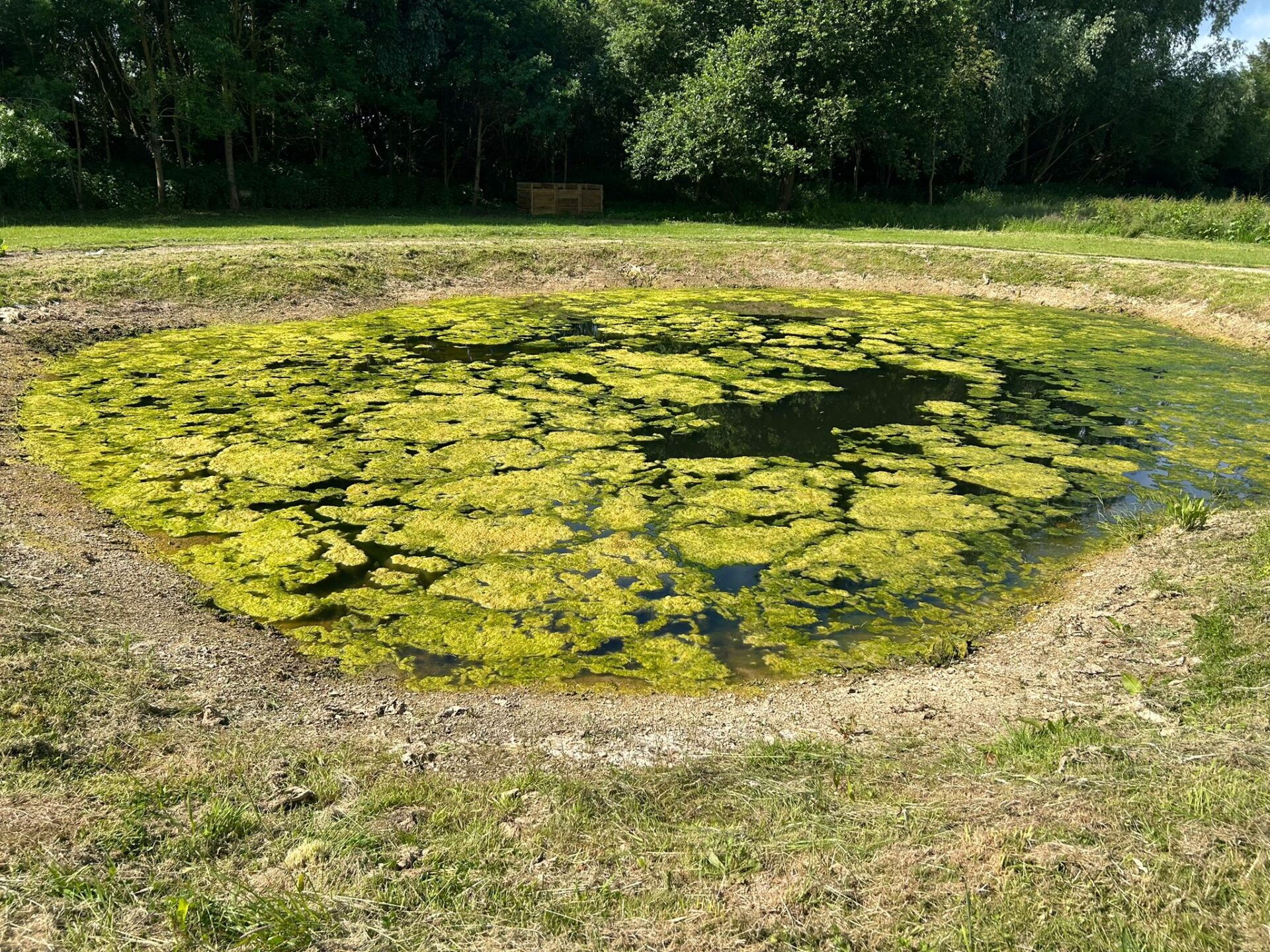
Finish with a pre-freeze equipment check: clean filter housings, clear skimmer baskets, and inspect seals and hoses. Confirm the electrical safety of pump circuits and, if applicable, service UV clarifiers.
For wider guidance on seasonal pond care, visit The Wildlife Trusts or the Royal Horticultural Society (RHS) — both offer excellent UK advice on wildlife-friendly water management.
December–January: Low-Intervention Winter Mode
In mid-winter, doing less is often doing right. Maintain a small area of open water for gas exchange. Instead of breaking ice, which can stress wildlife and damage liners, use a floating aerator or de-icer to keep one section ice-free.
If your pond’s circulation system allows, run pumps at a reduced steady rate. This supports oxygenation without over-cooling the water. Avoid heavy pruning or major clean-outs now; microbial communities in the substrate help stabilise the ecosystem naturally.
When snow settles, brush off thick accumulations from planted shelves or bridges to prevent freeze-thaw stress. EPDM’s flexibility handles these shifts well, but limiting pressure points protects long-term integrity.
Materials & Methods: Why EPDM and Balanced Planting Excel in Winter
The materials chosen during construction affect how smoothly your pond rides out cold weather. EPDM liners—used in all our designs—tolerate movement, UV exposure, and temperature swings far better than rigid plastics. They remain pliable even in frost, reducing stress on joints and edges.
Equally vital is balanced planting. A healthy ratio of filtration plants to open water ensures nutrient capture and flow. Too few plants weaken filtration; too many causes stagnation. During winter maintenance visits, Turtle Swimming Ponds specialists review planting density and re-balance regeneration zones where needed.
Case Study: Autumn Reset Prevents Spring Algae
Last year, a Gloucestershire client contacted us in November when strong winds left their pond cloudy and green. Our inspection revealed blocked skimmers and excess leaf matter across the regeneration shelves.
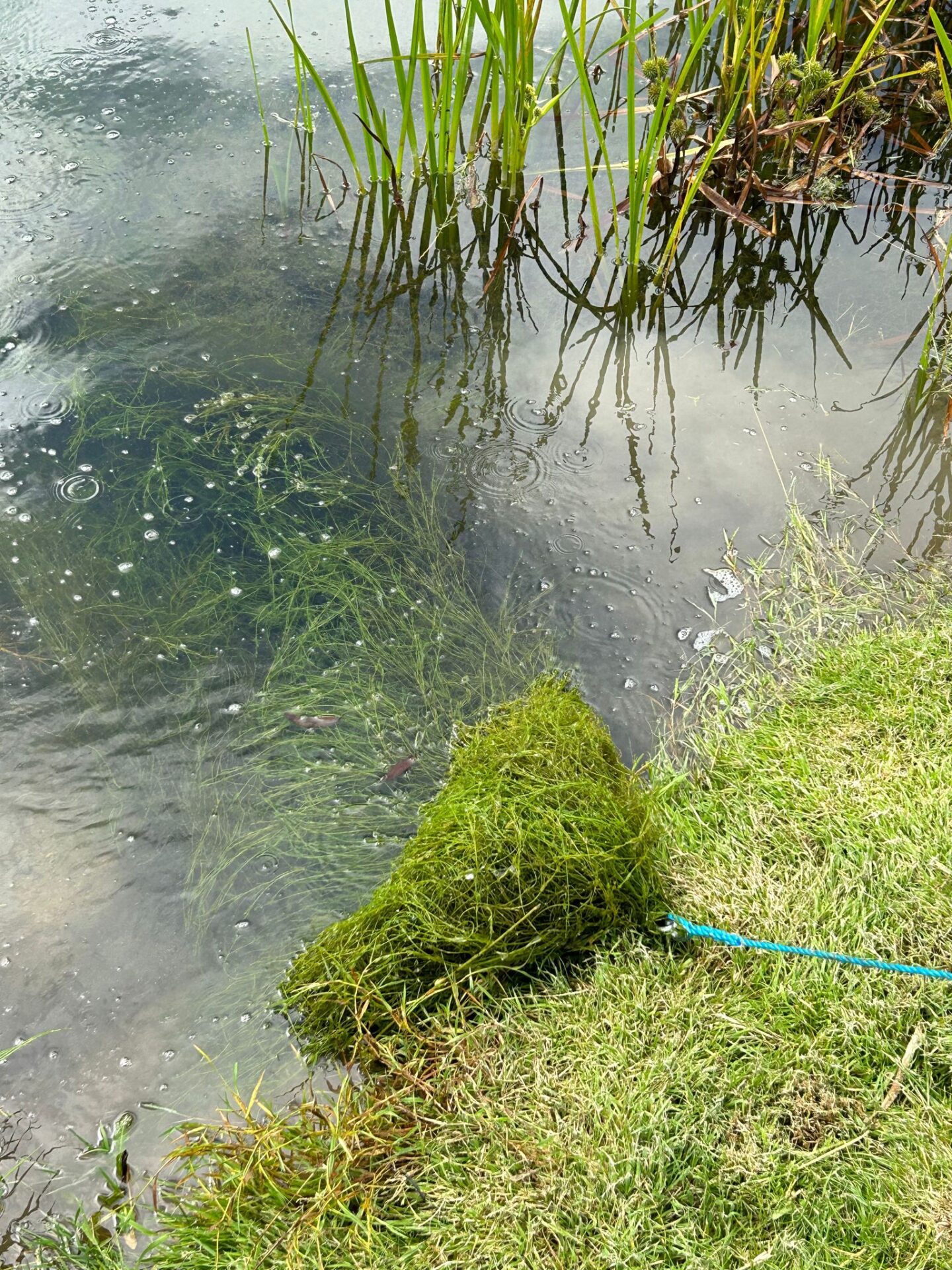
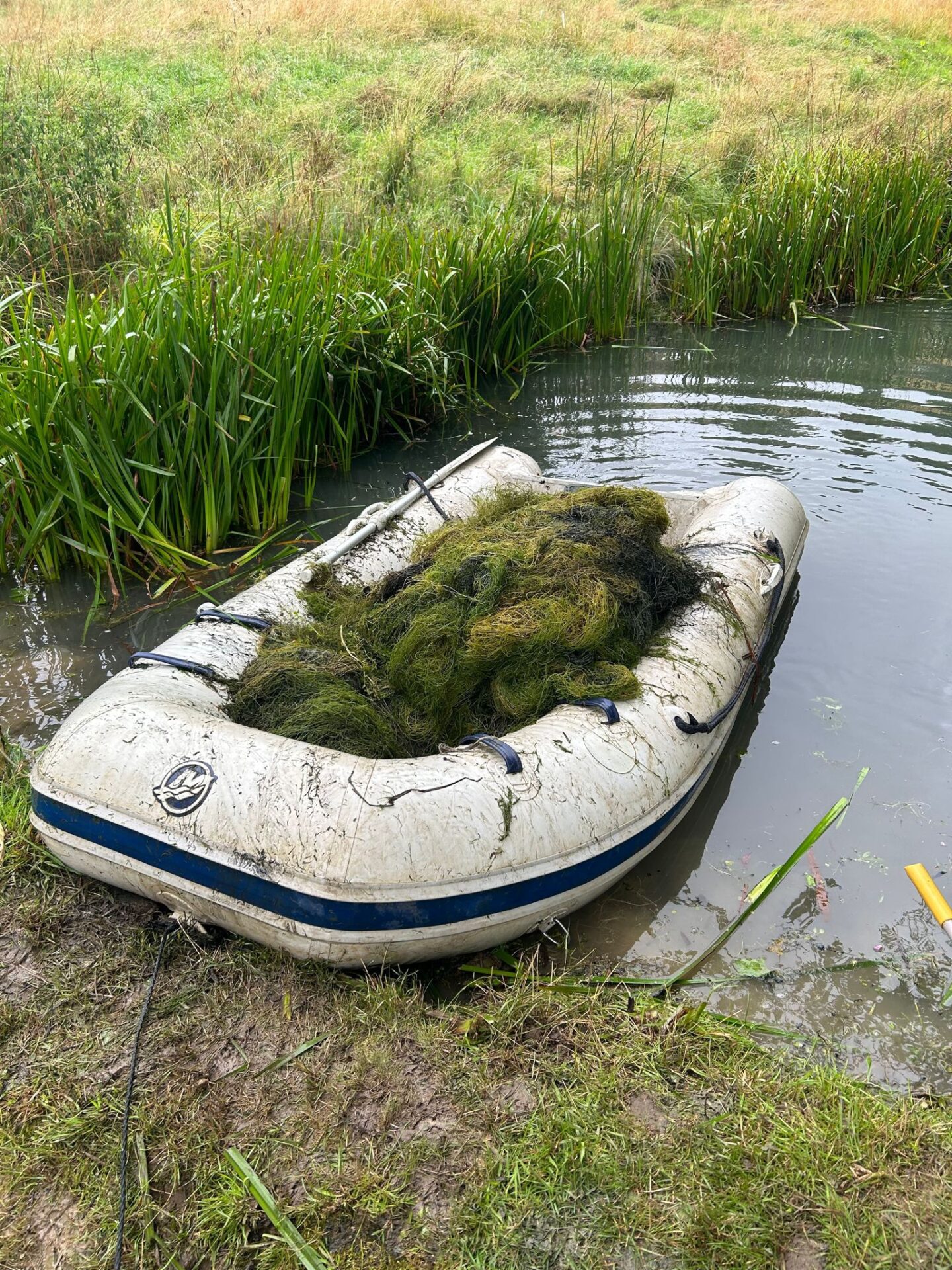
Our team performed a targeted debris extraction, trimmed over-dense reeds to restore flow, and recalibrated the pump to a steady winter setting. By spring, the pond remained crystal clear—proof that autumn intervention prevents costly spring clean-ups.
Planning Ahead: Why Autumn Bookings Save Time and Money
Booking a professional autumn service helps prevent winter stagnation and makes spring upkeep easier. It’s also an opportunity to schedule upgrades such as new regeneration planting, filtration improvements, or EPDM refurbishments before landscaping diaries fill for spring.
If you’re planning a new pond, the off-season (October–February) is the best time for design consultations and site assessments. Ground conditions are stable, and you can secure a spring installation slot while avoiding delays during the busy season.
To arrange a consultation or seasonal service, call 01453 701319
or visit www.turtleswimmingponds.co.uk.
FAQs – Autumn & Winter Pond Care
Do I keep pumps running in winter?
Usually yes—set them to a reduced flow rate to maintain oxygenation and prevent surface ice. For tailored settings, our technicians can review your system during a maintenance visit.
Should I cover the pond?
Full covers often restrict light and oxygen. Use leaf nets during heavy fall or simply skim regularly to maintain natural balance.
How much plant cutting is safe?
Trim above the waterline only. Leave stems to shelter beneficial bacteria through winter and support wildlife.
Is a deep winter clean advisable?
Not generally. Focus on autumn debris removal, then light inspections through the coldest months.
When should I book professional maintenance?
Between September and November for autumn preparation, and again in March or April for a spring tune-up.
Conclusion: Clear Water in Spring Starts with Autumn Care
A beautiful, chemical-free natural swimming pond thrives on proactive seasonal care. By preparing in autumn, you protect water quality, maintain balance, and enjoy effortless clarity when spring arrives.
Turtle Swimming Ponds designs, builds, and maintains natural swimming ponds throughout the UK, using sustainable materials and proven ecological principles. Whether you need an autumn service, a liner upgrade, or a brand-new pond designed for 2026, our team can help you plan ahead.
Call 01453 701319 or visit www.turtleswimmingponds.co.uk
